David Morens Pleads Guilty to Conspiracy Over Hidden COVID-19 Research Records
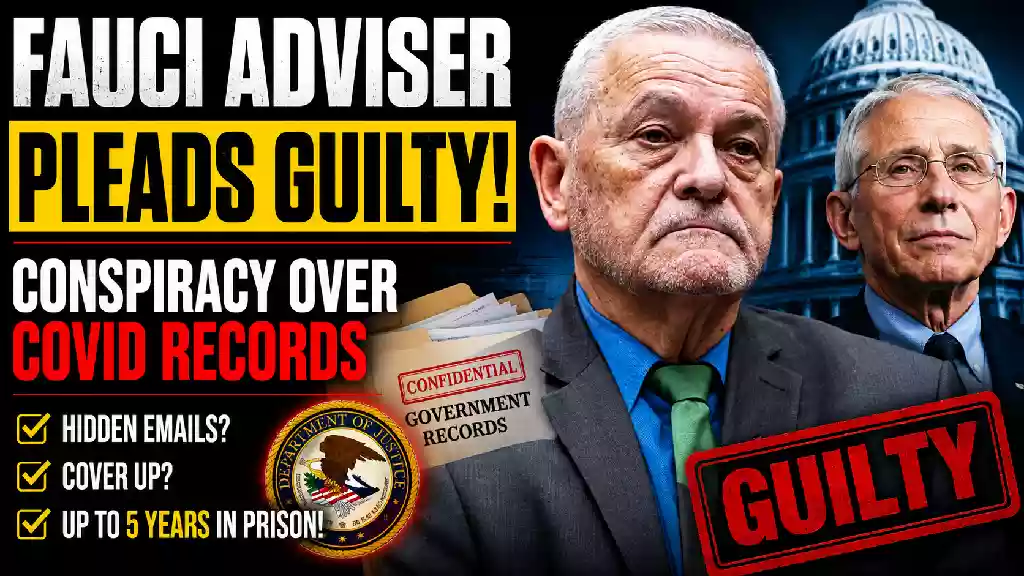
Former Fauci adviser David Morens pleads guilty to a federal conspiracy charge involving efforts to conceal government records related to COVID-19 research, according to federal prosecutors.
David Morens Pleads Guilty to Conspiracy Over Hidden COVID-19 Research Records
Former Fauci Adviser Admits Role in Effort to Evade Federal Records Laws
David M. Morens, a former senior adviser at the National Institute of Allergy and Infectious Diseases (NIAID), has pleaded guilty to a federal conspiracy charge stemming from an effort to conceal government records connected to coronavirus research during the COVID-19 pandemic.
Morens entered his guilty plea on August 18, 2026, in federal court in Greenbelt, Maryland. According to the U.S. Department of Justice, he pleaded guilty to conspiracy to commit offenses and to defraud the United States. He faces a maximum sentence of five years in federal prison and is scheduled to be sentenced on November 12, 2026.
The case has renewed attention on federal records laws, COVID-19 research funding and the government’s handling of communications during the early years of the pandemic.
Personal Email Used to Avoid Public Records Requests
According to federal prosecutors, Morens participated in a scheme designed to evade Freedom of Information Act (FOIA) requests and the Federal Records Act.
Court documents say Morens used his personal email account to conduct government-related business rather than relying exclusively on official government systems. Prosecutors alleged that the arrangement was intended to prevent certain communications from being subject to public disclosure.
The records involved communications about coronavirus research grants and related government decisions. The case has therefore become part of a broader debate over transparency and accountability within federal health agencies.
Morens served as a senior adviser in NIAID’s Office of the Director from 2006 through 2022, according to the Justice Department.
Coronavirus Research Grants at the Center of the Case
The criminal case is connected to communications surrounding federally funded coronavirus research.
Federal prosecutors said Morens admitted participating in efforts to conceal or destroy records associated with the termination and restoration of a National Institutes of Health grant involving research into bat coronaviruses.
The research funding has attracted significant political attention because of continuing questions surrounding COVID-19’s origins and federally funded coronavirus research.
However, the guilty plea itself concerns the alleged concealment of federal records and conspiracy to defraud the United States. It does not establish that every allegation made during the broader political debate about COVID-19 research is true.
Morens’ Connection to Anthony Fauci
Morens’ former position as a senior adviser to Dr. Anthony Fauci has placed the case under additional scrutiny.
Fauci served for decades as director of NIAID and became one of the most prominent federal officials during the U.S. response to COVID-19. Morens worked within NIAID’s leadership structure during part of Fauci’s tenure.
The connection, however, should not be confused with criminal charges against Fauci. Current reporting and federal prosecutors have not accused Fauci of wrongdoing in Morens’ criminal case.
That distinction is important as lawmakers continue examining federal decision-making and communications during the pandemic.
Questions About Government Transparency
Morens’ guilty plea has also intensified political debate over whether federal officials properly preserved government communications and complied with public-records requirements.
The case illustrates the importance of federal records laws, particularly when government employees are handling sensitive research, funding decisions and public-health matters.
The Justice Department said that communications involving Morens’ official duties were federal records that were required to be created, maintained and exchanged through government systems.
The case also involved allegations concerning illegal gratuities. According to the Justice Department, Morens admitted that a co-conspirator provided him with wine and discussed providing additional benefits, including meals at high-end restaurants. Prosecutors said the gifts were connected to Morens’ behind-the-scenes assistance.
Sentencing Set for November
Morens now awaits sentencing in federal court. Although the statutory maximum is five years, the Justice Department notes that actual federal sentences are typically below the maximum and will depend on federal sentencing guidelines and other factors considered by the judge.
The case is likely to remain politically significant as Congress and federal investigators continue examining the government’s handling of COVID-19 research and pandemic-era records.
For critics of the federal response to COVID-19, Morens’ guilty plea represents a significant development in the ongoing debate over government transparency. For the Justice Department, the case demonstrates that federal records requirements apply even when officials are working on politically sensitive or controversial issues.
Ultimately, the case centers on a straightforward but consequential question: whether government officials can use private communications to avoid federal record-keeping and public-disclosure requirements.
Morens’ guilty plea provides a criminal-law answer in his own case. His sentencing in November will determine the next major legal consequence.
#DavidMorens #AnthonyFauci #COVID19 #CoronavirusResearch #COVID19Research #FederalInvestigation #GovernmentTransparency #FOIA #NIAID #NIH