JD-Vance Vice President
No Deal After 21 Hours: U.S.–Iran Peace Talks in Pakistan End Without Agreement
High-Stakes Diplomacy Falls Short
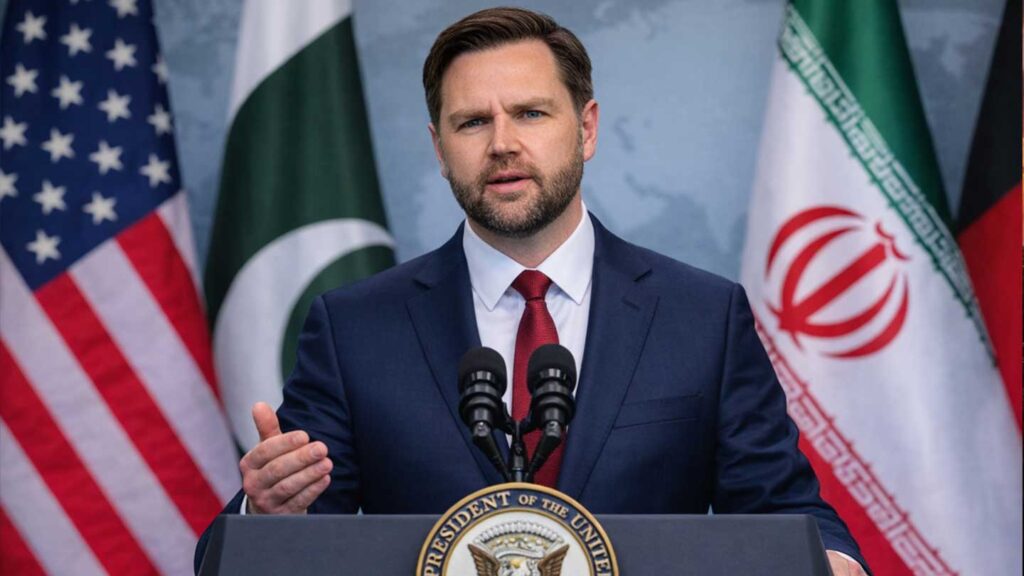
JD Vance confirmed that intensive peace negotiations between the United States and Iran concluded without an agreement after 21 hours of discussions hosted in Pakistan. Despite what he described as “substantive discussions,” the talks ultimately failed to produce a breakthrough, leaving tensions unresolved.
Vance opened by praising Pakistan’s leadership, including the Prime Minister and military officials, for their role as mediators. He emphasized that the lack of progress was not due to the host nation’s efforts, noting that Pakistan “did an amazing job” trying to bridge the gap between the two sides.
Core Issue: Iran’s Nuclear Intentions
At the center of the failed negotiations lies a long-standing concern: Iran’s nuclear ambitions. According to Vance, the United States made its position clear throughout the talks—any agreement must include a firm and long-term commitment from Iran not to develop nuclear weapons.
While previous strikes and actions have reportedly damaged Iran’s nuclear infrastructure, the U.S. is seeking more than temporary setbacks. The administration wants a clear and lasting guarantee that Iran will not pursue nuclear capabilities in the future.
Vance declined to reveal specific details of what Iran rejected, stating that negotiating sensitive matters publicly could undermine future diplomatic efforts. However, he stressed that the U.S. had presented what he described as a “final and best offer.”
Communication with Leadership
Throughout the negotiations, U.S. officials remained in constant contact with Donald Trump and key members of the national security team. Vance noted that discussions with the president occurred multiple times during the 21-hour period, reflecting the high level of importance placed on the outcome.
This ongoing communication underscores how critical these talks were to U.S. foreign policy strategy, particularly in relation to stability in the Middle East and global security concerns.
Broader Implications for Global Stability
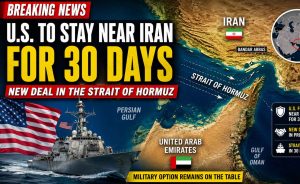
The failure to reach an agreement raises concerns about escalating tensions in an already volatile region. Questions remain about potential impacts on strategic areas such as the Strait of Hormuz, a critical global oil shipping route.
Additionally, uncertainty lingers regarding the next steps. Will negotiations resume, or will both sides shift toward a more confrontational stance? While Vance did not signal immediate escalation, the lack of agreement leaves the door open to a range of outcomes.
The involvement of Pakistan as a mediator also highlights the increasing role of regional powers in global diplomacy. Hosting such high-level talks places Pakistan at the center of international efforts to de-escalate conflict, even if this particular round did not succeed.
What Comes Next?
Despite the setback, the United States appears to be leaving the door open for continued dialogue. Vance expressed hope that Iran may still consider the proposal on the table, suggesting that diplomacy is not entirely off the table.
However, the message from Washington is clear: the U.S. expects firm commitments, particularly regarding nuclear weapons, before any agreement can be reached.
As the situation develops, global attention will remain fixed on whether diplomacy can prevail or if tensions will continue to rise in one of the world’s most sensitive geopolitical regions.
#PeaceTalks #Iran #UnitedStates #Pakistan #Diplomacy #GlobalSecurity #NuclearWeapons #MiddleEast #BreakingNews #WorldPolitics