DNC Faces Donor Crisis as Democrats Clash Over Party’s Leftward Shift
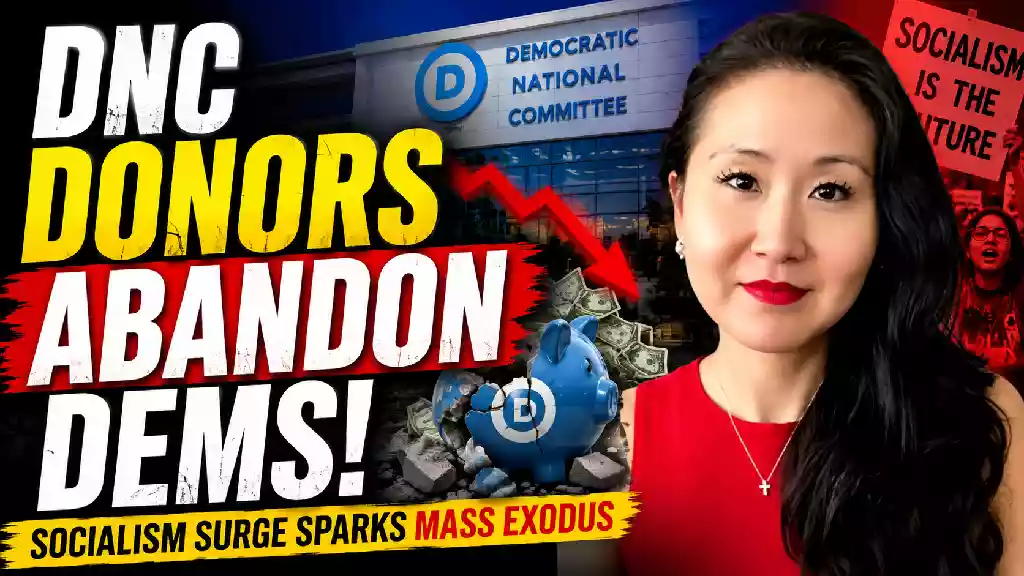
DNC donor pressure intensifies as Democrats face an internal debate over socialism, progressive politics and the future direction of the Democratic Party.
DNC Faces Donor Crisis as Democrats Clash Over Party’s Leftward Shift
Democratic Party Struggles With Donor Confidence as Debate Over Socialism Intensifies
The Democratic Party is facing renewed questions about its financial strength, political direction and ability to maintain a broad coalition as internal divisions grow over the influence of progressive and socialist politics.
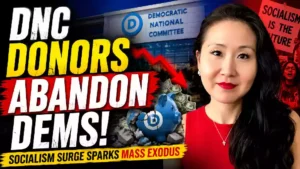
Former Democratic National Committee fundraiser Lindy Lee argued during a recent interview that the party’s “big tent” coalition is becoming increasingly difficult to hold together. Her comments came as centrist Democrats have openly challenged candidates associated with the Democratic Socialists of America and criticized what they view as an increasingly left-wing direction for the party.
Donor Confidence Becomes a Major Concern
According to Lee, some Democratic donors have stepped away from the party because of concerns about its political direction and financial management. She argued that major contributors treat political donations as an investment and are unlikely to continue providing money if they believe the party is not delivering results.
The interview also highlighted the Democratic National Committee’s reported financial difficulties. The DNC was described as carrying more than $2 million in debt after using its headquarters as collateral for a $15 million loan the previous year.
The discussion contrasted those figures with the Republican National Committee, which was described as having a war chest approaching $130 million. The financial gap could become increasingly significant as both parties prepare for future congressional contests and the 2028 presidential race.
Democrats Face Debate Over Progressive Politics
At the center of the controversy is the Democratic Party’s struggle to balance its progressive base with the concerns of centrist voters and donors.
Lee strongly criticized what she characterized as the party’s normalization of socialism, arguing that Democrats risk alienating voters by moving too far to the left. Her assessment reflects a broader disagreement inside the party over whether Democrats should embrace progressive policies more aggressively or seek a broader appeal to moderates and independents.
The debate could become particularly important heading into the 2026 midterm elections, when Democrats will attempt to rebuild their political standing and compete for control of Congress.
2024 Spending Still Under Scrutiny
The interview also revisited Democratic campaign spending from the 2024 presidential election.
Lee claimed that approximately $2.5 billion was spent across the Kamala Harris campaign and the Future Forward PAC during a seven-week period. She criticized the party’s post-election review and argued that Democratic leaders failed to fully acknowledge the problems that contributed to the campaign’s defeat.
Her comments placed campaign spending and accountability at the center of the larger donor debate. If major contributors believe Democratic leaders have not adequately addressed past campaign failures, rebuilding donor confidence could prove difficult.
Party Struggles to Reconnect With Male Voters
The Democratic Party’s relationship with male voters was another major topic discussed during the interview.
Lee argued that cultural issues, including debates surrounding transgender rights, biological sex and participation in women’s sports, have contributed to frustration among some voters. She suggested that Democrats risk losing voters who feel increasingly disconnected from the party’s cultural positions.
Whether these issues represent a messaging problem or a deeper ideological divide remains a significant question for Democratic strategists.
2028 Could Intensify the Democratic Identity Debate
The party’s challenges extend beyond the upcoming midterms. Potential Democratic presidential contenders for 2028 were also discussed, including Kamala Harris, Gavin Newsom, Pete Buttigieg and Alexandria Ocasio-Cortez.
Lee expressed skepticism about whether the potential field could successfully unite Democrats while addressing concerns about the party’s progressive wing. She also questioned whether major donors would be willing to invest heavily in another Harris presidential campaign.
The discussion additionally raised questions about the potential candidates’ ability to appeal to key Democratic constituencies, including Black voters and moderates.
A Fight Over the Future of the Democratic Party
The donor debate ultimately reflects a much larger struggle over the Democratic Party’s identity.
Democrats must decide how to balance progressive activists and socialist-aligned candidates with the concerns of moderate voters, independent voters and major financial contributors. At the same time, the party faces pressure to improve its fundraising position and develop a strategy capable of competing in both the 2026 midterms and the 2028 presidential election.
For now, the debate over socialism, campaign spending, cultural issues and Democratic leadership shows that the party’s internal divisions remain unresolved.
The central question is whether Democrats will continue moving toward a more progressive political agenda or attempt to broaden their coalition by appealing more directly to the political center. The answer could have major consequences for the party’s electoral strategy and fundraising efforts in the years ahead.
#DNC #Democrats #DemocraticParty #Politics #Socialism #PoliticalNews #CampaignFinance #DNCDonors #Election2026 #Election2028